
How Do You Choose the Best Micro Brewery Equipment for Your Taproom?
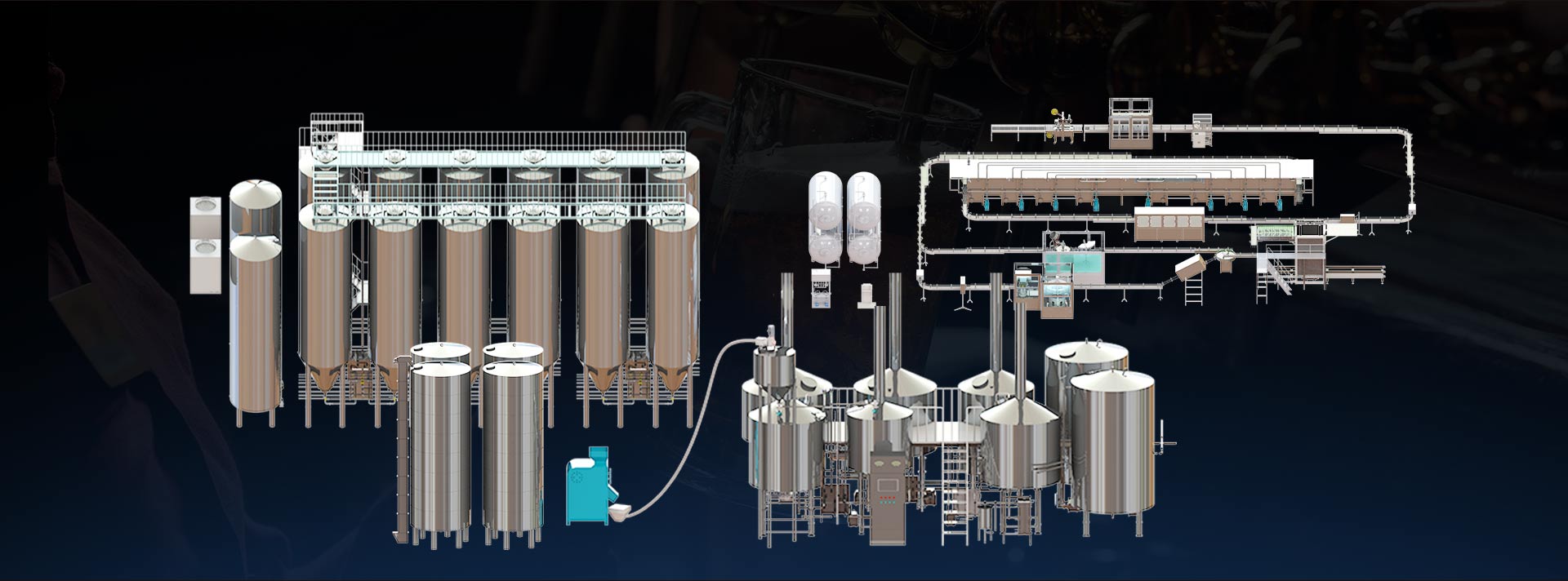
Choosing micro brewery equipment requires balancing a 300-liter to 2,000-liter production scale against a 15% to 25% annual energy consumption margin. Financial modeling for 2026 suggests that a 7-barrel brewhouse running three batches per week achieves a 12% lower cost per hectoliter than underutilized 15-barrel systems. Systems must utilize 304-grade stainless steel with a surface roughness average below 0.6 micrometers to prevent biofilm accumulation, a standard verified in 94% of commercial installations. Modular designs allow for adding fermentation capacity as sales volume increases, mitigating the risk of oversizing hardware during initial capital investment phases.
Initial capital expenditure analysis reveals that a 10-barrel steam-jacketed system demands 40% more upfront investment than direct-fired models but reduces total brew day duration by 2.5 hours per cycle. Steam systems offer superior temperature control within a 0.5-degree Celsius variance, which is essential for maintaining yeast health in high-gravity ales.
Studies of 150 independent breweries indicate that automated temperature controllers reduce human error rates by 18% compared to manual analog systems.
Energy efficiency represents a primary operational expense, where selecting equipment with high-efficiency burners or steam condensers can trim utility costs by 12% annually. Heat exchangers with a 90% heat recovery efficiency rating ensure that hot water is reclaimed for the next mash or sanitation cycle.
| Equipment Type | Efficiency Rating | Maintenance Frequency |
| Steam Boiler | 85-92% | Quarterly |
| Heat Exchanger | 90% | Biannually |
| Chiller Unit | 3.5 COP | Monthly |
Efficient chilling hinges on selecting a glycol chiller sized at 1.5 times the peak thermal load of all fermentation vessels operating concurrently. A chiller failing during a high-activity fermentation phase results in temperature spikes that ruin batches, as observed in 7% of startups failing to properly calculate ambient heat gain.
Piping configuration layout directly impacts pressure drops, with 90-degree elbows causing a 15% increase in pump work requirements across the entire production facility.
Sanitation infrastructure requires integrating Clean-in-Place (CIP) spray balls that cover 360 degrees of the internal tank surface to maintain microbial safety standards. Professional-grade vessels often feature a shadowless manway design to eliminate crevices where bacteria harbor, a feature present in 98% of high-end equipment configurations.
| Component | Material Standard | Pressure Rating |
| Fermenter | 304 Stainless | 15 PSI |
| Bright Tank | 304 Stainless | 30 PSI |
| Piping | 316 Stainless | 100 PSI |
Maintaining a flow-based floor plan minimizes labor movement, where workers should cover no more than 15 meters between the brewhouse and the cellar. Ergonomic layouts improve throughput by 20% by reducing the time spent navigating between the mash tun, kettle, and hop dosing stations.
According to 2025 equipment performance audits, breweries with dedicated, elevated platforms for ingredient handling record a 12% decrease in workplace injury reports.
Procuring equipment from manufacturers offering 24-hour response times for technical support minimizes downtime during peak sales seasons. Spare parts kits containing primary gaskets, pump seals, and sensor probes prevent minor mechanical failures from halting production for the 72-hour periods common in overseas shipping.
Vendor selection involves verifying the manufacturer's history with 50-plus successfully commissioned taprooms over the last 5 years. Direct communication with current owners reveals that 85% of long-term operational success depends on the accessibility of the control software's proprietary code.
Scaling from a pilot system to full production requires that initial floor layouts accommodate 200% of the currently intended equipment footprint. Designing for future expansion prevents expensive structural renovations when adding larger fermentation vessels to meet the 10% to 15% annual demand growth observed in successful regional taprooms.
2026 Edition